Events
Chinese New Year in Shanghai: The Complete 2026 Planner
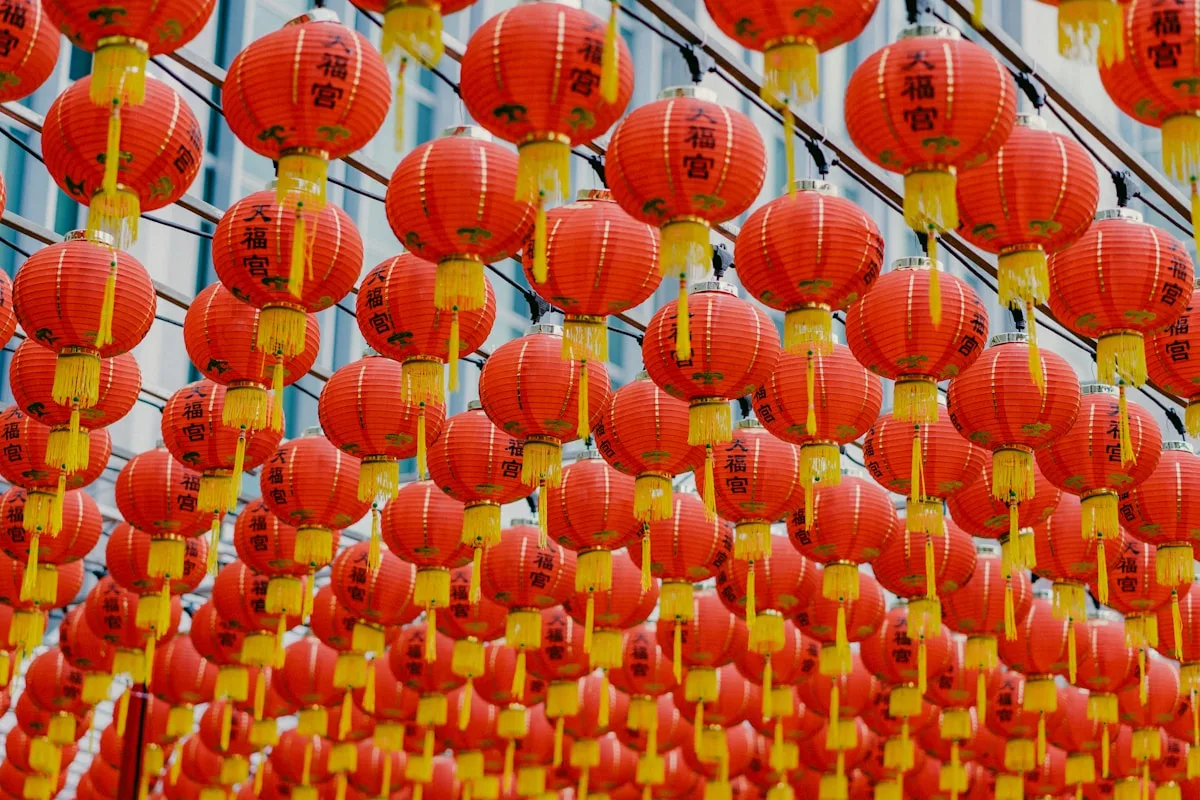
Chinese New Year (Spring Festival, 春节) in Shanghai is a contradiction: the most important holiday of the Chinese calendar, and the week the city itself is quietest. In the days before the holiday, tens of millions of migrant workers leave Shanghai to travel home to their families — the famous “spring travel rush” (春运). The factories idle, the construction projects pause, and streets that are normally shoulder-to-shoulder empty out overnight.
But that quiet is not emptiness. The city decks itself in red — lanterns, couplets, banners, and window-hanging paper cuttings — and the surviving restaurants, temples, and malls run festival events you won’t see at any other time of year. It is, honestly, one of the most contradictory travel experiences in the world, and knowing which parts are crowded and which are empty is the whole trick.
This planner covers the 2026 dates from top to bottom: the exact holiday window, what stays open vs. shuts down, the fireworks reality, the festive experiences worth your time, and what to book (and book early).
The 2026 dates, precisely
Chinese New Year’s Day in 2026 falls on Tuesday, February 17. The official public holiday period is roughly February 15–21, though the effects of the holiday stretch well before and after it:
- Lunar New Year’s Eve — Monday, February 16. The big family dinner (团圆饭) night; the city goes very quiet by evening.
- Spring Festival — February 17–21 official days.
- Lantern Festival (元宵节) — marks the end of the celebration, about two weeks later (early March 2026). This is the last big decorated night and the day the city returns to normal.
The most important practical fact: the city empties from about 3–4 days before New Year’s Eve (as people depart) and stays thin through the official window, then repopulates fast afterward.
The good and the bad — an honest balance
The good:
- Almost no crowds at the signature sights. The Bund, Yu Garden, Shanghai Museum, and the observation decks are calm in a way they are never at any other time.
- The city is dramatic in red — hundreds of lanterns up the Bund, spring couplets over every lane gate, and trees dressed in festival lights.
- Temples go full ceremony — the City God Temple and Longhua Temple are at their most colorful, with incense, red ribbons, and crowds of locals doing their New Year prayers.
- Many museums and galleries run festival programs and are fully open; with fewer visitors, you get a leisurely, deep experience.
The bad news:
- Thousands of restaurants and small shops close — especially the beloved mom-and-pop kinds. The famous street-food stalls and hole-in-the-wall noodle shops you wanted to try may well be shuttered for 5–7 days.
- The holiday weekend congestion is on the routes, not the streets — trains, buses, airports, and highways are the busiest of the year even though the city is quiet.
- The Lantern Festival — at the end of the period (early March), is one of the most crowded nights, when the city is back to full strength.
Fireworks: the straight version
Let’s be direct because there is a lot of misinformation. Shanghai has banned set-off fireworks across most of the urban core (within the inner ring road) — in place for years now, driven by fire safety and air-quality concerns. The practical reality:
- You will not see a full community fireworks show in the city center. Do not plan “fireworks over the Pudong skyline.”
- You will hear firecrackers — Chinese crackers and the occasional stray setting crackle, especially the nights before New Year. It’s atmospheric, just not a big show.
- The only real fireworks are in approved suburban zones, often near the coast (e.g., Fengxian and some districts) and inside organized displays. Ask your hotel front desk for the current approved zone nearest you — rules shift year to year.
If fireworks are the whole reason you’re tempted to time a trip around the holiday, reconsider: you’d get a bigger show nearly anywhere else in China than the Shanghai center.
What stays open (reliable during the holiday)
- Major attractions: the Bund, Yu Garden, the Shanghai Museum, the Shanghai Tower observation deck — all open, most with festival-specific displays, and uncrowded.
- The big malls (iapm Xintiandi, Global Harbor, Chapter One) — open and heavily decorated; a reliable place to browse and eat.
- Hotels and their dining rooms: fully operational, and the single most dependable source of meals during the holiday.
- Most coffee chains and fast food — metro-adjacent branches usually stay open.
- The Metro: runs on a reduced “holiday schedule” (like weekend frequency) on the actual public holiday days, then resumes quickly.
What will be closed
- The mom-and-pop things you came for. Independence eateries, noodle shops, corner street food, the cheapest and best-loved breakfast spots — most close for a good week starting New Year’s Eve.
- Independent boutiques and many small galleries.
- Budget services — super-cheap laundry, some couriers, and a few small bank branches operate on reduced holiday hours.
How to plan it: the practical to-do list
Doing Chinese New Year in Shanghai well comes down to a handful of decisions. Work through these:
- Book transport and hotels early. Even though the city empties, the routes in and out are the busiest and priciest stretch of the year. Buy train and flight tickets the day sales open — travellers every year see fares spike.
- Plan your meals around what’s open. Eat your best small-restaurant meals the days before the holiday (Feb 13–15). During the holiday window, fall back on hotel restaurants, big-chain dining, and mall food courts — and book dinner at fancier places a day ahead.
- Use the empty-city advantage for the icon sights. This is genuinely the best week to take the Bund at sunset with room to breathe, or wander Yu Garden’s lanes without swimming through people.
- Go to temple fairs — the seasonal highlight. The City God Temple and Longhua Temple fairs are wonderful for red streamers, incense smoke, folk performances, and street snacks — go early to beat the crowds.
- Embrace the quiet, don’t fight it. A “packed festival holiday with parades” is what you’ll read about, but what Shanghai actually offers is a calm, decorated week. Lean into that: slower museums, empty lanes, no queues.
A sample New Year’s Day in Shanghai
In case you want a concrete shape to fill:
- Morning: Shanghai Museum (empty, festival exhibits) → coffee at a mall near People’s Square.
- Lunch: a reliable big-chain or hotel restaurant; expect a set holiday menu.
- Afternoon: wander the Bund and the Art Deco streets with near-zero crowds; photograph the lanterns.
- Late afternoon: City God Temple bazaar for street food, incense, and red ribbons.
- Evening: a lantern-lit meal back at your neighborhood, then a calm late river cruise if the sky is clear.
The honest bottom line
Chinese New Year in Shanghai will not deliver a packed, festival-week, Mardi-Gras-style celebration — that experience belongs to Beijing or the smaller cultural cities. What it genuinely offers instead is a rare, calm version of one of the world’s busiest cities: uncrowded museums, festival decor that lasts two weeks, temples at their most elegant, and no queues at the very attractions you most wanted to see. It is a golden time to be a photographer, a calm time to be a first-timer, and the least mobbed week of Shanghai’s year.
If you plan your meals, book your travel early, and go for the festivals rather than the pyrotechnics, it’s a wonderful, unusual trip. Just know exactly what you are signing up for.
Related reading: Top things to do in Shanghai · Yu Garden · Free things to do in Shanghai · Shanghai itinerary ideas · Where to stay